

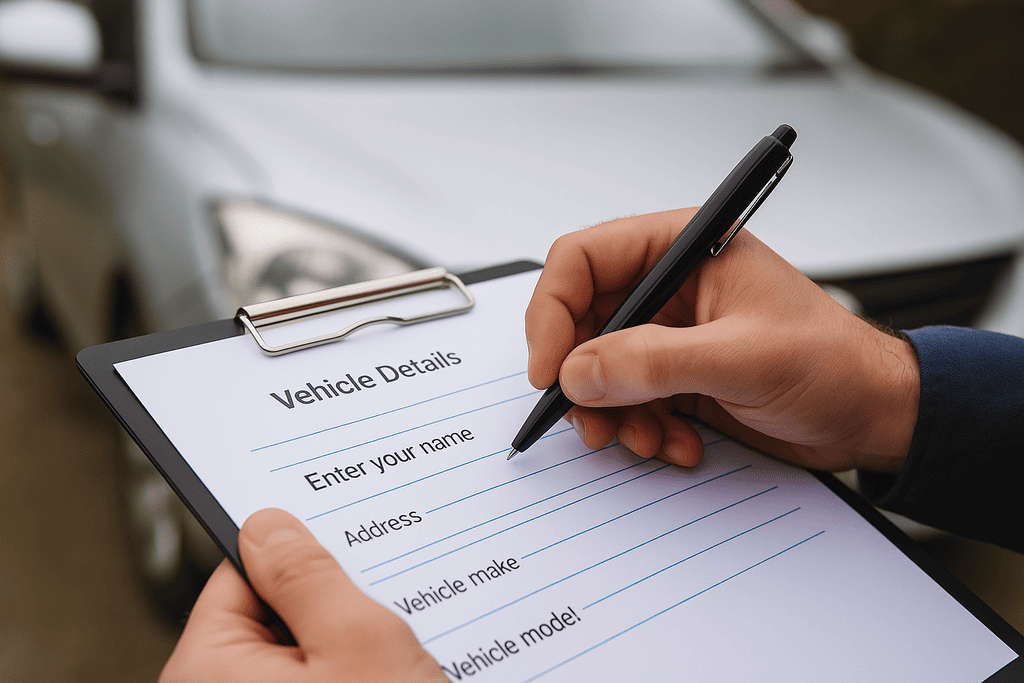
If you’ve ever tried to get rid of a vehicle that technically isn’t yours, you’ll know it can be a bit confusing. Maybe it’s a family member’s old car that’s been sitting on the driveway for years, or perhaps you’ve inherited one that’s no longer roadworthy. Either way, scrapping a car that’s not in your name isn’t as straightforward as it might seem — but it’s not impossible either. Let’s break it down so you know exactly where you stand.
Why Ownership Matters When Scrapping a Car
When a car is scrapped in the UK, it’s legally classed as being “disposed of”. That means the registered keeper on the logbook (V5C) is responsible for ensuring it’s done properly through an authorised treatment facility (ATF).
Scrapping involves more than just handing the keys to a scrapyard — it’s about proving the car is yours to dispose of. If the car isn’t registered in your name, you’ll need to show that you have the legal right to scrap it. Otherwise, the scrapyard could be breaking the law by accepting it.
When You Can Scrap a Car That’s Not in Your Name
There are certain situations where you can scrap a car even if you’re not the registered keeper. Here are the most common examples:
- Inherited vehicles – If you’ve inherited a car, you can usually scrap it by providing the death certificate and proof that you’re the executor of the estate or next of kin.
- Vehicles left on your property – If a car’s been abandoned on your land, you’ll need to report it to your local council. They’ll often arrange removal, or you can apply to have it declared abandoned so you can dispose of it legally.
- Family or friend’s car with permission – If you have written permission from the owner (for example, an email or signed note) and their photo ID, you can usually scrap the car on their behalf.
- Company or business vehicles – If you’re acting on behalf of a business, you’ll need to show proof of your role (like a letterhead, business card, or authorisation letter).
The key thing is documentation — the scrapyard must be confident that you have the right to act for the owner.
What You’ll Need to Provide
Authorised treatment facilities (ATFs) take record-keeping seriously because they have to inform the DVLA when a vehicle is scrapped. Expect to be asked for:
- The V5C logbook (if available) – This shows who the registered keeper is. If you don’t have it, a reputable scrapyard can still help but will need extra proof.
- Photo ID – A driving licence or passport is required to confirm your identity.
- Proof of address – Such as a recent utility bill or bank statement.
- Proof of permission – A signed letter or email from the owner, along with a copy of their photo ID, if you’re scrapping it for someone else.
Having everything ready makes the process smoother and avoids delays with payment or DVLA notifications.
What If You Don’t Have the V5C Logbook?
No logbook? Don’t panic. It’s still possible to scrap the car, but you’ll need to make sure the scrapyard reports the destruction to the DVLA correctly. You should also write to the DVLA yourself to explain the situation, including:
- Your name and address
- The vehicle’s registration, make, model, and colour
- The date of sale or scrap
- The name and address of the scrapyard
Send it to DVLA, Swansea, SA99 1BD. This ensures the vehicle is marked as scrapped, so you won’t receive future tax or MOT reminders.
Avoiding Scams and Illegal Scrapyards
Unfortunately, not every company offering to “collect your scrap car” is legitimate. Always make sure you use a reputable scrap car company with good google reviews. Reputable companies will ensure your vehicle is recycled safely while handling all DVLA paperwork for you.
If a collector offers cash in hand or refuses to show ID, that’s a red flag. Since the Scrap Metal Dealers Act 2013, paying cash for scrap vehicles has been illegal.
You should always receive payment via bank transfer and a Certificate of Destruction (COD) if the car is dismantled.
What Happens After the Car Is Scrapped?
Once the car’s taken to an authorised site, it’s depolluted (all oils, fuels, and batteries are removed), then recycled or crushed. The scrapyard will notify the DVLA, and you’ll usually receive a confirmation letter within a couple of weeks.
If you were scrapping the car on behalf of someone else, make sure they also get a copy of any confirmation or payment details for their records.
Final Thoughts
Scrapping a car that’s not in your name isn’t something to rush into, but with the right documents and a reputable company, it’s completely doable. Always make sure the process is transparent, legal, and fully documented.
If you’re unsure, it’s best to speak to a trusted scrap car service like Scrap My Car Company, who can guide you through the steps, handle the DVLA paperwork, and ensure everything’s done by the book. That way, you can get the job done safely — and clear that old car off your driveway for good.



